Buy steamer.eu ?
We are moving the project
steamer.eu .
Are you interested in purchasing the domain
steamer.eu ?
domain@kv-gmbh.de · 0541-91531010
Buy steamer.eu ?
What is efficiency in physics?
Efficiency in physics refers to the ratio of useful work output to the total energy input in a system. It is a measure of how well a system can convert input energy into useful output energy. A system with high efficiency will waste less energy and be more effective in its operation. Efficiency is an important concept in physics as it helps in evaluating the performance of various systems and technologies. **
How is efficiency calculated in physics?
Efficiency in physics is calculated by dividing the useful output of energy or work by the total input of energy or work, and then multiplying by 100 to express it as a percentage. The formula for efficiency is: Efficiency = (useful output / total input) x 100%. This calculation helps to determine how well a system or device converts input energy into useful output energy, with a higher efficiency indicating a more effective conversion process. **


Similar search terms for Physics
Top-Angebote
Products related to Physics:
-
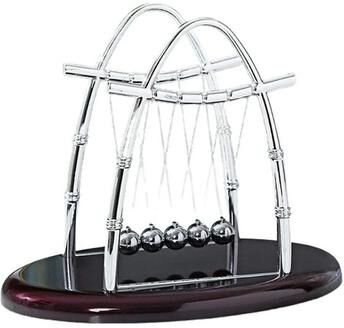
Uplift Picks Metal Newtons Cradle Pendulum Desk Toy Educational Physics Balance Balls Metal Newtons Cradle Pendulum Desk Toy Educational Physics Balance BallsBring science to life right on your desk with this classic Newtons cradle desk toy that blends education and relaxation. Featuring polished steel balls suspended in perfect balance, this metal pendulum balance ball demonstrates the principles of...52,98 $*Shipping: 0,00 $Secure redirect to the provider
-
Inspire Curations Newtons Cradle Steel Balance Desk Toy Classic Physics Pendulum Decor Newtons Cradle Steel Balance Desk Toy Classic Physics Pendulum DecorBring motion, focus, and timeless curiosity to your workspace with this iconic Newtons cradle desk toy. Designed for both learning and relaxation, this elegant piece demonstrates the fascinating laws of physics while doubling as a stylish decor...40,00 $*Shipping: 0,00 $Secure redirect to the provider
-
Inspire Essentials Newton Cradle Desk Toy Steel Balance Balls Physics Decor For Office Newton Cradle Desk Toy Steel Balance Balls Physics Decor For OfficeAdd a touch of focus and fascination to your workspace with this classic newton cradle desk toy. Designed to demonstrate motion and energy in a simple yet captivating way this piece brings both relaxation and curiosity into your day. Perfect for...37,48 $*Shipping: 0,00 $Secure redirect to the provider
-
Inspire Curations Kinetic Weightlifting Balance Toy Steel Physics Desk Decor For Stress Relief Kinetic Weightlifting Balance Toy Steel Physics Desk Decor For Stress ReliefTurn any workspace into a calming, eyecatching experience. This kinetic desk toy features a unique weightlifting figure that appears to defy gravity as it swings and balances effortlessly. Designed for professionals, students, and anyone needing a...50,00 $*Shipping: 0,00 $Secure redirect to the provider



-
What is efficiency in 10th grade physics?
Efficiency in 10th grade physics refers to the ratio of useful work output to the total work input in a system. It is a measure of how well a system can convert input energy into useful output energy. Efficiency is usually expressed as a percentage and is an important concept in understanding the effectiveness of machines and processes. In physics, efficiency is often calculated using the formula: Efficiency = (useful energy output / total energy input) x 100%. **
-
How do you calculate efficiency in physics?
Efficiency in physics is calculated by dividing the useful output of energy or work by the total input of energy or work, and then multiplying the result by 100 to express it as a percentage. The formula for efficiency is: Efficiency = (useful output / total input) x 100%. This calculation helps to determine how well a system or device converts input energy into useful output energy, with a higher efficiency indicating a more effective conversion process. **
-
What is the overall efficiency in physics?
Overall efficiency in physics refers to the ratio of useful work output to the total energy input in a system. It is a measure of how well a system converts input energy into useful output energy. In other words, it quantifies how effectively a system can accomplish its intended task while minimizing energy waste. Overall efficiency is an important concept in physics and engineering, as it helps in evaluating the performance of various systems and devices. **
-
What is the precision of two clocks in physics?
In physics, the precision of two clocks refers to how closely their measurements align with each other. A high precision means that the clocks consistently give very similar readings, indicating a high level of accuracy and reliability in their timekeeping. This precision is crucial for experiments and calculations that require precise timing, such as measuring the speed of light or determining the age of the universe. By using highly precise clocks, physicists can ensure the accuracy of their measurements and the validity of their results. **


What is task 2 about efficiency in physics?
Task 2 about efficiency in physics involves calculating the efficiency of a machine or process. Efficiency is a measure of how well a system converts input energy into useful output energy. In physics, efficiency is often calculated using the formula: Efficiency = (useful energy output / total energy input) x 100%. This task may require students to analyze the input and output energies of a given system and calculate its efficiency. **
What is the efficiency in 10th grade physics?
Efficiency in 10th grade physics refers to the ratio of useful work output to the total energy input in a system. It is a measure of how well a system converts input energy into useful output energy. Efficiency is typically calculated as a percentage and is an important concept in understanding the performance of machines and systems. Students in 10th grade physics learn about efficiency in the context of simple machines, energy transformations, and the conservation of energy principles. **
Top-Angebote
Products related to Physics:
-
Uplift Essentials Newton's Cradle Physics Balance Balls Desktop Toy Newton's Cradle Physics Balance Balls Desktop ToyDemonstrate the fundamental laws of motion while adding a classic, sophisticated accent to your workspace with Newton's Cradle Physics Balance Balls. Designed with precisionsuspended chrome steel spheres aligned on a stable frame, this classic...36,97 $*Shipping: 0,00 $Secure redirect to the provider
-
Super Simple Physics: The Ultimate Bitesize Study Guide by DK - Paperback Revision Guide - Ages 9-12 - Illustrated Physics Study AidSuper Simple Physics: The Ultimate Bitesize Study Guide by DK is a clear, curriculum-aligned guide that turns tricky physics topics into bite-sized, easy-to-digest chunks. Covering everything from atoms and forces to astronomy and flotation, it's built for home study, classroom support, and exam revision. Bright illustrations, 'How it Works' panels, and handy 'Key Facts' summary boxes make even the trickiest concepts click, giving students the confidence to tackle coursework and tests without the overwhelm that many science textbooks create. This study guide strips away the jargon and breaks the core curriculum into short, visually-led spreads that are genuinely enjoyable to read. Each topic, whether it's about motion, energy, or magnetism, is explained in a way that's easy to understand, making physics feel less daunting and more accessible. The book is suitable for students aged 9-12 and is published by DK (Dorling Kindersley).7,80 £*Shipping: 2,99 £Secure redirect to the provider
-
Uplift Picks Metal Newtons Cradle Pendulum Desk Toy Educational Physics Balance Balls Metal Newtons Cradle Pendulum Desk Toy Educational Physics Balance BallsBring science to life right on your desk with this classic Newtons cradle desk toy that blends education and relaxation. Featuring polished steel balls suspended in perfect balance, this metal pendulum balance ball demonstrates the principles of...52,98 $*Shipping: 0,00 $Secure redirect to the provider
-
Inspire Curations Newtons Cradle Steel Balance Desk Toy Classic Physics Pendulum Decor Newtons Cradle Steel Balance Desk Toy Classic Physics Pendulum DecorBring motion, focus, and timeless curiosity to your workspace with this iconic Newtons cradle desk toy. Designed for both learning and relaxation, this elegant piece demonstrates the fascinating laws of physics while doubling as a stylish decor...40,00 $*Shipping: 0,00 $Secure redirect to the provider
-
What is efficiency in physics?
Efficiency in physics refers to the ratio of useful work output to the total energy input in a system. It is a measure of how well a system can convert input energy into useful output energy. A system with high efficiency will waste less energy and be more effective in its operation. Efficiency is an important concept in physics as it helps in evaluating the performance of various systems and technologies. **
-
How is efficiency calculated in physics?
Efficiency in physics is calculated by dividing the useful output of energy or work by the total input of energy or work, and then multiplying by 100 to express it as a percentage. The formula for efficiency is: Efficiency = (useful output / total input) x 100%. This calculation helps to determine how well a system or device converts input energy into useful output energy, with a higher efficiency indicating a more effective conversion process. **
-
What is efficiency in 10th grade physics?
Efficiency in 10th grade physics refers to the ratio of useful work output to the total work input in a system. It is a measure of how well a system can convert input energy into useful output energy. Efficiency is usually expressed as a percentage and is an important concept in understanding the effectiveness of machines and processes. In physics, efficiency is often calculated using the formula: Efficiency = (useful energy output / total energy input) x 100%. **
-
How do you calculate efficiency in physics?
Efficiency in physics is calculated by dividing the useful output of energy or work by the total input of energy or work, and then multiplying the result by 100 to express it as a percentage. The formula for efficiency is: Efficiency = (useful output / total input) x 100%. This calculation helps to determine how well a system or device converts input energy into useful output energy, with a higher efficiency indicating a more effective conversion process. **
Similar search terms for Physics
-
Inspire Essentials Newton Cradle Desk Toy Steel Balance Balls Physics Decor For Office Newton Cradle Desk Toy Steel Balance Balls Physics Decor For OfficeAdd a touch of focus and fascination to your workspace with this classic newton cradle desk toy. Designed to demonstrate motion and energy in a simple yet captivating way this piece brings both relaxation and curiosity into your day. Perfect for...37,48 $*Shipping: 0,00 $Secure redirect to the provider
-
Inspire Curations Kinetic Weightlifting Balance Toy Steel Physics Desk Decor For Stress Relief Kinetic Weightlifting Balance Toy Steel Physics Desk Decor For Stress ReliefTurn any workspace into a calming, eyecatching experience. This kinetic desk toy features a unique weightlifting figure that appears to defy gravity as it swings and balances effortlessly. Designed for professionals, students, and anyone needing a...50,00 $*Shipping: 0,00 $Secure redirect to the provider
-
Makita HR2670/2 Professional 240V SDS-Plus 26mm Rotary Hammer – 3-Mode Versatility & Industrial DurabilityOvercome Every Obstacle with Industrial Power and Precision Master the most demanding masonry and construction tasks with the Makita HR2670/2 (EAN: 0197050007131), a high-performance rotary hammer engineered for the professional who views efficiency as a non-negotiable. Designed for those who work in high-stakes environments—from structural renovation to heavy-duty installations—this 240V tool bridges the gap between raw, punishing power and refined user control. By integrating Makita's legendary motor technology into a balanced, ergonomic chassis, the HR2670/2 allows you to punch through concrete and stone with effortless speed, transforming what were once back-breaking days into a seamless display of productivity and craft. Key Features & Benefits Breeze Through Toughest Concrete with 26mm Drilling Capacity: Optimized for high-impact performance, this tool allows you to sink deep, precise holes in reinforced concrete and masonry. You save time on every task, moving from one fix to the next with minimal physical resistance. Total Project Adaptability with 3-Mode Operation: Switch instantly between Rotary Only, Rotary Hammer, and Hammer Only modes. This allows you to handle everything from precise timber drilling to high-impact chiseling for tile removal with a single, professional-grade unit. Reduced Downtime with SDS-Plus Bit System: Experience secure, lightning-fast bit changes that require zero extra tools. This standard ensures maximum energy transfer from the motor to the drill tip, meaning your bits work harder so you don’t have to. Precise Control with Variable Speed Trigger: Take absolute command of the start of your drill hole. By controlling the RPM with your touch, you eliminate "bit wander" and surface damage, ensuring a professional, clean finish on every substrate. Maximum All-Day Comfort via Ergonomic Grip: The vibration-dampening rubberized handle reduces physical fatigue during extended use. This allows for superior leverage and stability, keeping you accurate and safe even during overhead or high-repetition tasks. Reliable Hardware Protection with Torque Limiter: The built-in safety clutch disengages the motor if the bit binds in rebar or hard stone. This prevents the tool from kicking back, protecting your wrists and the motor's internal gearing from sudden impact damage. Fast Extractions with Forward/Reverse Rotation: Effortlessly back out bits from deep holes or stubborn materials. This functionality reduces the risk of jammed hardware and ensures your workflow remains continuous and fluid. Why Choose This Product The Makita HR2670/2 is not just an addition to your toolbox; it is an investment in your professional momentum. In an industry where speed is currency and reliability is a prerequisite for safety, this rotary hammer stands as a benchmark of Japanese engineering. Choosing this tool (0197050007131) means opting for the peace of mind that comes with "Makita Blue"—the assurance that your gear will start,...117,49 £*Shipping: 0,00 £Secure redirect to the provider
-
Inspire Curations STEM Physics And Math Formula Throw Blanket 2510220626 173x218cm68x86inMake comfort a little smarter with this STEM blanket, covered in eyecatching physics and mathematics formulas for a distinctive academicinspired look. The soft math formula blanket combines cozy everyday comfort with a design that celebrates...333,00 $*Shipping: 0,00 $Secure redirect to the provider
-
What is the overall efficiency in physics?
Overall efficiency in physics refers to the ratio of useful work output to the total energy input in a system. It is a measure of how well a system converts input energy into useful output energy. In other words, it quantifies how effectively a system can accomplish its intended task while minimizing energy waste. Overall efficiency is an important concept in physics and engineering, as it helps in evaluating the performance of various systems and devices. **
-
What is the precision of two clocks in physics?
In physics, the precision of two clocks refers to how closely their measurements align with each other. A high precision means that the clocks consistently give very similar readings, indicating a high level of accuracy and reliability in their timekeeping. This precision is crucial for experiments and calculations that require precise timing, such as measuring the speed of light or determining the age of the universe. By using highly precise clocks, physicists can ensure the accuracy of their measurements and the validity of their results. **
-
What is task 2 about efficiency in physics?
Task 2 about efficiency in physics involves calculating the efficiency of a machine or process. Efficiency is a measure of how well a system converts input energy into useful output energy. In physics, efficiency is often calculated using the formula: Efficiency = (useful energy output / total energy input) x 100%. This task may require students to analyze the input and output energies of a given system and calculate its efficiency. **
-
What is the efficiency in 10th grade physics?
Efficiency in 10th grade physics refers to the ratio of useful work output to the total energy input in a system. It is a measure of how well a system converts input energy into useful output energy. Efficiency is typically calculated as a percentage and is an important concept in understanding the performance of machines and systems. Students in 10th grade physics learn about efficiency in the context of simple machines, energy transformations, and the conservation of energy principles. **
* All prices are inclusive of VAT and, if applicable, plus shipping costs. The offer information is based on the details provided by the respective shop and is updated through automated processes. Real-time updates do not occur, so deviations can occur in individual cases. ** Note: Parts of this content were created by AI.