Buy steamer.eu ?
We are moving the project
steamer.eu .
Are you interested in purchasing the domain
steamer.eu ?
domain@kv-gmbh.de · 0541-91531010
Buy steamer.eu ?
What is the difference between landscape and landscape ecosystem?
Landscape refers to the visible features of an area of land, including physical elements such as mountains, rivers, and forests. On the other hand, a landscape ecosystem encompasses not only the physical features of the land but also the interactions between living organisms and their environment within that landscape. It includes the relationships between plants, animals, and their surroundings, as well as the flow of energy and nutrients within the ecosystem. In essence, landscape ecosystem is a more holistic concept that considers both the physical and biological aspects of a landscape. **
What is the difference between landscape architecture and landscape planning?
Landscape architecture focuses on the design and planning of outdoor spaces, including parks, gardens, and urban plazas, with a focus on aesthetics, functionality, and sustainability. Landscape architects often work on specific projects, creating detailed designs and plans for outdoor spaces. On the other hand, landscape planning is a broader field that involves the strategic and holistic planning of land use, natural resources, and environmental conservation. It encompasses the assessment, analysis, and management of landscapes at a larger scale, often involving multiple stakeholders and considering long-term impacts on the environment and communities. In summary, landscape architecture is more focused on the design and aesthetics of outdoor spaces, while landscape planning involves the strategic and comprehensive planning of land use and natural resources. **

Similar search terms for Landscape
Top-Angebote
Products related to Landscape:
-
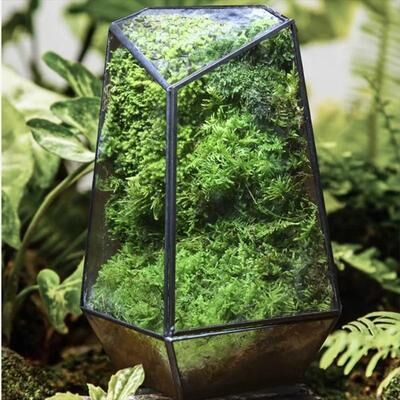
Uplift Essentials Quartz Shape Micro Landscape Glass Terrarium Quartz Shape Micro Landscape Glass TerrariumBring a touch of modern nature into your living space with this striking Quartz Shape Micro Landscape Glass Terrarium. This geometric terrarium serves as a sophisticated glass flower room, perfect for housing a moss planter tank or creating a unique...128,97 $*Shipping: 0,00 $Secure redirect to the provider
-
Domani Globe Distressed Landscape RugAdd a vibrant modern flair and a dash of color to any room with our Domani Globe rug collection. Crafted from polypropylene for a stain resistant and pet friendly design, adding style, comfort, and durability.276,74 $*Shipping: 0,00 $Secure redirect to the provider



-
What are landscape units?
Landscape units are distinct areas within a landscape that share similar ecological, geological, and topographical characteristics. These units are defined based on factors such as soil type, vegetation, landform, and hydrology. By identifying and mapping landscape units, land managers and conservationists can better understand the diversity and dynamics of a landscape, and make informed decisions about land use and conservation strategies. This approach helps to recognize the unique features and functions of different areas within a landscape, and can guide efforts to protect and manage natural resources. **
-
What are landscape zones?
Landscape zones refer to different areas within a landscape that are designated for specific purposes or have distinct characteristics. These zones can include areas for recreation, conservation, agriculture, or residential development. They are often planned and managed to optimize the use of the land and to protect natural resources. By dividing a landscape into zones, it becomes easier to balance human activities with the preservation of natural ecosystems. **
-
What are the characteristics of the landscape of sensation and the metaphysical landscape?
The landscape of sensation refers to the physical environment and the sensory experiences within it, such as the colors, textures, and sounds that we perceive. It is characterized by its tangible and observable qualities, and is often associated with the material world. On the other hand, the metaphysical landscape refers to the intangible and abstract aspects of our experience, such as emotions, thoughts, and spiritual beliefs. It is characterized by its subjective and non-physical nature, and is often associated with the realm of the mind and consciousness. Both landscapes play a crucial role in shaping our perception and understanding of the world around us. **
-
Which CO2-low and landscape-harmonizing energy generation best harmonizes with the landscape?
One CO2-low and landscape-harmonizing energy generation method is solar energy. Solar panels can be installed on rooftops or in open fields without significantly altering the landscape. Another method is wind energy, which involves the use of wind turbines that can be placed in open areas such as farmland or coastal regions. Both of these methods have minimal impact on the surrounding landscape and contribute to reducing CO2 emissions, making them ideal choices for harmonizing with the environment. **
What is a steppe landscape?
A steppe landscape is a vast, flat, grassy plain with few trees and a semi-arid climate. It is characterized by its dry and hot summers, and cold winters. Steppe landscapes are found in regions such as central Asia, eastern Europe, and parts of North America. The vegetation in a steppe landscape is mainly composed of grasses and shrubs, and it is an important habitat for various species of wildlife. **
What is a landscape idea?
A landscape idea is a concept or vision for how to design and arrange outdoor spaces to create a specific aesthetic or functional outcome. It can encompass a wide range of elements, such as plant selection, hardscape features, lighting, and overall layout. Landscape ideas can be influenced by various factors, including the natural environment, architectural style, and the intended use of the space. Ultimately, a landscape idea serves as a blueprint for transforming outdoor areas into beautiful and functional settings. **
Top-Angebote
Products related to Landscape:
-
Makita HR2670/2 Professional 240V SDS-Plus 26mm Rotary Hammer – 3-Mode Versatility & Industrial DurabilityOvercome Every Obstacle with Industrial Power and Precision Master the most demanding masonry and construction tasks with the Makita HR2670/2 (EAN: 0197050007131), a high-performance rotary hammer engineered for the professional who views efficiency as a non-negotiable. Designed for those who work in high-stakes environments—from structural renovation to heavy-duty installations—this 240V tool bridges the gap between raw, punishing power and refined user control. By integrating Makita's legendary motor technology into a balanced, ergonomic chassis, the HR2670/2 allows you to punch through concrete and stone with effortless speed, transforming what were once back-breaking days into a seamless display of productivity and craft. Key Features & Benefits Breeze Through Toughest Concrete with 26mm Drilling Capacity: Optimized for high-impact performance, this tool allows you to sink deep, precise holes in reinforced concrete and masonry. You save time on every task, moving from one fix to the next with minimal physical resistance. Total Project Adaptability with 3-Mode Operation: Switch instantly between Rotary Only, Rotary Hammer, and Hammer Only modes. This allows you to handle everything from precise timber drilling to high-impact chiseling for tile removal with a single, professional-grade unit. Reduced Downtime with SDS-Plus Bit System: Experience secure, lightning-fast bit changes that require zero extra tools. This standard ensures maximum energy transfer from the motor to the drill tip, meaning your bits work harder so you don’t have to. Precise Control with Variable Speed Trigger: Take absolute command of the start of your drill hole. By controlling the RPM with your touch, you eliminate "bit wander" and surface damage, ensuring a professional, clean finish on every substrate. Maximum All-Day Comfort via Ergonomic Grip: The vibration-dampening rubberized handle reduces physical fatigue during extended use. This allows for superior leverage and stability, keeping you accurate and safe even during overhead or high-repetition tasks. Reliable Hardware Protection with Torque Limiter: The built-in safety clutch disengages the motor if the bit binds in rebar or hard stone. This prevents the tool from kicking back, protecting your wrists and the motor's internal gearing from sudden impact damage. Fast Extractions with Forward/Reverse Rotation: Effortlessly back out bits from deep holes or stubborn materials. This functionality reduces the risk of jammed hardware and ensures your workflow remains continuous and fluid. Why Choose This Product The Makita HR2670/2 is not just an addition to your toolbox; it is an investment in your professional momentum. In an industry where speed is currency and reliability is a prerequisite for safety, this rotary hammer stands as a benchmark of Japanese engineering. Choosing this tool (0197050007131) means opting for the peace of mind that comes with "Makita Blue"—the assurance that your gear will start,...117,49 £*Shipping: 0,00 £Secure redirect to the provider
-
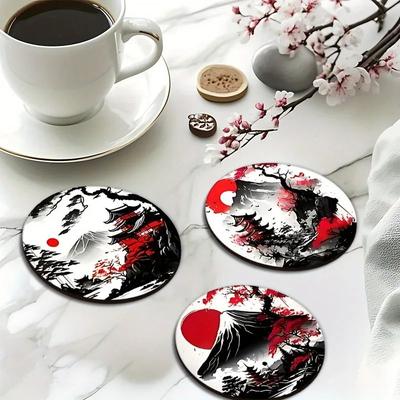
Uplift Treasures Japanese Landscape Wooden Coaster Set Japanese Landscape Wooden Coaster SetProduct Description: Add a touch of elegance to your table with this beautifully crafted 6piece wooden coaster set featuring serene Japanese landscape designs. Stylish, practical, and durable, it protects your surfaces while enhancing your home or...42,97 $*Shipping: 0,00 $Secure redirect to the provider
-
What is the difference between landscape and landscape ecosystem?
Landscape refers to the visible features of an area of land, including physical elements such as mountains, rivers, and forests. On the other hand, a landscape ecosystem encompasses not only the physical features of the land but also the interactions between living organisms and their environment within that landscape. It includes the relationships between plants, animals, and their surroundings, as well as the flow of energy and nutrients within the ecosystem. In essence, landscape ecosystem is a more holistic concept that considers both the physical and biological aspects of a landscape. **
-
What is the difference between landscape architecture and landscape planning?
Landscape architecture focuses on the design and planning of outdoor spaces, including parks, gardens, and urban plazas, with a focus on aesthetics, functionality, and sustainability. Landscape architects often work on specific projects, creating detailed designs and plans for outdoor spaces. On the other hand, landscape planning is a broader field that involves the strategic and holistic planning of land use, natural resources, and environmental conservation. It encompasses the assessment, analysis, and management of landscapes at a larger scale, often involving multiple stakeholders and considering long-term impacts on the environment and communities. In summary, landscape architecture is more focused on the design and aesthetics of outdoor spaces, while landscape planning involves the strategic and comprehensive planning of land use and natural resources. **
-
What are landscape units?
Landscape units are distinct areas within a landscape that share similar ecological, geological, and topographical characteristics. These units are defined based on factors such as soil type, vegetation, landform, and hydrology. By identifying and mapping landscape units, land managers and conservationists can better understand the diversity and dynamics of a landscape, and make informed decisions about land use and conservation strategies. This approach helps to recognize the unique features and functions of different areas within a landscape, and can guide efforts to protect and manage natural resources. **
-
What are landscape zones?
Landscape zones refer to different areas within a landscape that are designated for specific purposes or have distinct characteristics. These zones can include areas for recreation, conservation, agriculture, or residential development. They are often planned and managed to optimize the use of the land and to protect natural resources. By dividing a landscape into zones, it becomes easier to balance human activities with the preservation of natural ecosystems. **
Similar search terms for Landscape
-
Uplift Essentials Quartz Shape Micro Landscape Glass Terrarium Quartz Shape Micro Landscape Glass TerrariumBring a touch of modern nature into your living space with this striking Quartz Shape Micro Landscape Glass Terrarium. This geometric terrarium serves as a sophisticated glass flower room, perfect for housing a moss planter tank or creating a unique...128,97 $*Shipping: 0,00 $Secure redirect to the provider
-
Domani Globe Distressed Landscape RugAdd a vibrant modern flair and a dash of color to any room with our Domani Globe rug collection. Crafted from polypropylene for a stain resistant and pet friendly design, adding style, comfort, and durability.276,74 $*Shipping: 0,00 $Secure redirect to the provider
-
What are the characteristics of the landscape of sensation and the metaphysical landscape?
The landscape of sensation refers to the physical environment and the sensory experiences within it, such as the colors, textures, and sounds that we perceive. It is characterized by its tangible and observable qualities, and is often associated with the material world. On the other hand, the metaphysical landscape refers to the intangible and abstract aspects of our experience, such as emotions, thoughts, and spiritual beliefs. It is characterized by its subjective and non-physical nature, and is often associated with the realm of the mind and consciousness. Both landscapes play a crucial role in shaping our perception and understanding of the world around us. **
-
Which CO2-low and landscape-harmonizing energy generation best harmonizes with the landscape?
One CO2-low and landscape-harmonizing energy generation method is solar energy. Solar panels can be installed on rooftops or in open fields without significantly altering the landscape. Another method is wind energy, which involves the use of wind turbines that can be placed in open areas such as farmland or coastal regions. Both of these methods have minimal impact on the surrounding landscape and contribute to reducing CO2 emissions, making them ideal choices for harmonizing with the environment. **
-
What is a steppe landscape?
A steppe landscape is a vast, flat, grassy plain with few trees and a semi-arid climate. It is characterized by its dry and hot summers, and cold winters. Steppe landscapes are found in regions such as central Asia, eastern Europe, and parts of North America. The vegetation in a steppe landscape is mainly composed of grasses and shrubs, and it is an important habitat for various species of wildlife. **
-
What is a landscape idea?
A landscape idea is a concept or vision for how to design and arrange outdoor spaces to create a specific aesthetic or functional outcome. It can encompass a wide range of elements, such as plant selection, hardscape features, lighting, and overall layout. Landscape ideas can be influenced by various factors, including the natural environment, architectural style, and the intended use of the space. Ultimately, a landscape idea serves as a blueprint for transforming outdoor areas into beautiful and functional settings. **
* All prices are inclusive of VAT and, if applicable, plus shipping costs. The offer information is based on the details provided by the respective shop and is updated through automated processes. Real-time updates do not occur, so deviations can occur in individual cases. ** Note: Parts of this content were created by AI.