Buy steamer.eu ?
We are moving the project
steamer.eu .
Are you interested in purchasing the domain
steamer.eu ?
domain@kv-gmbh.de · 0541-91531010
Buy steamer.eu ?
How can one change their self-concept?
One can change their self-concept by actively challenging and changing their negative beliefs about themselves. This can be done through self-reflection, seeking therapy or counseling, and practicing self-compassion and self-acceptance. Engaging in activities that promote personal growth and self-improvement, such as learning new skills or pursuing hobbies, can also help in changing one's self-concept. Surrounding oneself with supportive and positive people who uplift and encourage them can also contribute to a more positive self-concept. **
Can you explain Jean-Paul Sartre's concept of the self as a self-design and depict it in a comic?
Jean-Paul Sartre's concept of the self as a self-design emphasizes the idea that individuals have the freedom to create their own identity through their choices and actions. This means that we are not predetermined by any external factors or essence, but rather we define ourselves through our own decisions. In a comic, this concept could be depicted by showing a character faced with various choices and dilemmas, ultimately shaping their own identity through the paths they choose to take. The character could be shown breaking free from societal expectations and norms, embracing their autonomy and creating their own unique self. **


Similar search terms for Self-concept
Top-Angebote
Products related to Self-concept:
-
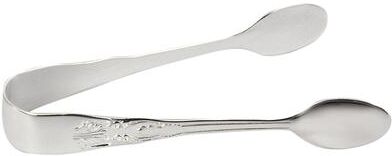
Elegance Heim Concept Sugar TongsThese tongs are constructed with stainless steel and features a beautiful silver-plated finish.Serve afternoon tea with this sugar tongs by Heim Concept Silver to match the Heim Concept of the tradition of serving tea.22,41 $*Shipping: 0,00 $Secure redirect to the provider
-
Makita HR2670/2 Professional 240V SDS-Plus 26mm Rotary Hammer – 3-Mode Versatility & Industrial DurabilityOvercome Every Obstacle with Industrial Power and Precision Master the most demanding masonry and construction tasks with the Makita HR2670/2 (EAN: 0197050007131), a high-performance rotary hammer engineered for the professional who views efficiency as a non-negotiable. Designed for those who work in high-stakes environments—from structural renovation to heavy-duty installations—this 240V tool bridges the gap between raw, punishing power and refined user control. By integrating Makita's legendary motor technology into a balanced, ergonomic chassis, the HR2670/2 allows you to punch through concrete and stone with effortless speed, transforming what were once back-breaking days into a seamless display of productivity and craft. Key Features & Benefits Breeze Through Toughest Concrete with 26mm Drilling Capacity: Optimized for high-impact performance, this tool allows you to sink deep, precise holes in reinforced concrete and masonry. You save time on every task, moving from one fix to the next with minimal physical resistance. Total Project Adaptability with 3-Mode Operation: Switch instantly between Rotary Only, Rotary Hammer, and Hammer Only modes. This allows you to handle everything from precise timber drilling to high-impact chiseling for tile removal with a single, professional-grade unit. Reduced Downtime with SDS-Plus Bit System: Experience secure, lightning-fast bit changes that require zero extra tools. This standard ensures maximum energy transfer from the motor to the drill tip, meaning your bits work harder so you don’t have to. Precise Control with Variable Speed Trigger: Take absolute command of the start of your drill hole. By controlling the RPM with your touch, you eliminate "bit wander" and surface damage, ensuring a professional, clean finish on every substrate. Maximum All-Day Comfort via Ergonomic Grip: The vibration-dampening rubberized handle reduces physical fatigue during extended use. This allows for superior leverage and stability, keeping you accurate and safe even during overhead or high-repetition tasks. Reliable Hardware Protection with Torque Limiter: The built-in safety clutch disengages the motor if the bit binds in rebar or hard stone. This prevents the tool from kicking back, protecting your wrists and the motor's internal gearing from sudden impact damage. Fast Extractions with Forward/Reverse Rotation: Effortlessly back out bits from deep holes or stubborn materials. This functionality reduces the risk of jammed hardware and ensures your workflow remains continuous and fluid. Why Choose This Product The Makita HR2670/2 is not just an addition to your toolbox; it is an investment in your professional momentum. In an industry where speed is currency and reliability is a prerequisite for safety, this rotary hammer stands as a benchmark of Japanese engineering. Choosing this tool (0197050007131) means opting for the peace of mind that comes with "Makita Blue"—the assurance that your gear will start,...117,49 £*Shipping: 0,00 £Secure redirect to the provider


-
What is meant by self-concept in the workplace?
Self-concept in the workplace refers to how individuals perceive themselves in relation to their job, colleagues, and overall work environment. It includes their beliefs, values, skills, and attitudes that shape their identity and behavior at work. A positive self-concept can lead to higher job satisfaction, motivation, and performance, while a negative self-concept may result in lower confidence, job dissatisfaction, and decreased productivity. Developing a strong self-concept in the workplace involves self-awareness, self-acceptance, and continuous self-improvement. **
-
What distinguishes strong sustainability from the normal concept of sustainability?
Strong sustainability goes beyond the traditional concept of sustainability by emphasizing the importance of maintaining the integrity of natural systems and the well-being of future generations. It recognizes that certain natural resources and ecological processes are irreplaceable and cannot be substituted by human-made alternatives. Strong sustainability also prioritizes the protection of biodiversity and the resilience of ecosystems, rather than solely focusing on reducing environmental impacts or achieving short-term economic gains. In essence, strong sustainability requires a more holistic and long-term approach to environmental and social stewardship, placing a greater emphasis on intergenerational equity and the preservation of essential ecological functions. **
-
What is the self-concept in the psychology of Carl Rogers?
In the psychology of Carl Rogers, the self-concept is a central concept that refers to the individual's perception and understanding of themselves. It includes the beliefs, attitudes, and values that a person holds about themselves, as well as their understanding of their abilities, characteristics, and potential. Rogers believed that the self-concept is formed through interactions with others and is influenced by the feedback and experiences that individuals receive from their social environment. He also emphasized the importance of congruence between the self-concept and the actual experiences and feelings of the individual, as well as the role of unconditional positive regard in fostering a healthy and positive self-concept. **
-
Can someone explain the concept of sustainability to me?
Sustainability is the idea of meeting the needs of the present without compromising the ability of future generations to meet their own needs. It involves balancing economic, social, and environmental factors to ensure that resources are used in a way that preserves them for the long term. This can include practices such as using renewable energy sources, reducing waste and pollution, and promoting social equity. Overall, sustainability aims to create a harmonious relationship between human activities and the natural world to ensure a better future for all. **

What is the difference between a professional self-concept and professional principles?
A professional self-concept refers to how an individual perceives themselves in their professional role, including their skills, abilities, values, and beliefs about their work. It is a reflection of one's identity and understanding of their role in the workplace. On the other hand, professional principles are the ethical guidelines and standards that govern a person's behavior and decision-making in their professional life. These principles guide individuals in their interactions with colleagues, clients, and the broader community, ensuring that they act with integrity and uphold professional standards. In essence, while a professional self-concept is about one's self-perception in the workplace, professional principles are the moral compass that guides one's actions and decisions. **
What is a design concept in art?
A design concept in art refers to the underlying idea or theme that guides the creation of a piece of artwork. It serves as the foundation for the artistic decisions made by the artist, influencing elements such as composition, color palette, and overall aesthetic. Design concepts can be inspired by various sources, such as emotions, nature, or cultural influences, and help to convey a specific message or evoke a particular feeling in the viewer. Ultimately, the design concept is what ties the artwork together and gives it coherence and meaning. **
Top-Angebote
Products related to Self-concept:
-
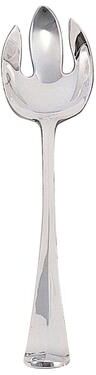
Elegance Heim Concept Silver-Plate Cake Server & Knife-Rim DesignHeim Concept Silver Silver-Plated Cake Server and Knife with Rim Design adds the utmost in Heim Concept to every occasion. With their luxurious handles, this spatula and knife are at home in any parties and events.32,54 $*Shipping: 0,00 $Secure redirect to the provider
-
Elegance Heim Concept Sugar TongsThese tongs are constructed with stainless steel and features a beautiful silver-plated finish.Serve afternoon tea with this sugar tongs by Heim Concept Silver to match the Heim Concept of the tradition of serving tea.22,41 $*Shipping: 0,00 $Secure redirect to the provider
-
Makita HR2670/2 Professional 240V SDS-Plus 26mm Rotary Hammer – 3-Mode Versatility & Industrial DurabilityOvercome Every Obstacle with Industrial Power and Precision Master the most demanding masonry and construction tasks with the Makita HR2670/2 (EAN: 0197050007131), a high-performance rotary hammer engineered for the professional who views efficiency as a non-negotiable. Designed for those who work in high-stakes environments—from structural renovation to heavy-duty installations—this 240V tool bridges the gap between raw, punishing power and refined user control. By integrating Makita's legendary motor technology into a balanced, ergonomic chassis, the HR2670/2 allows you to punch through concrete and stone with effortless speed, transforming what were once back-breaking days into a seamless display of productivity and craft. Key Features & Benefits Breeze Through Toughest Concrete with 26mm Drilling Capacity: Optimized for high-impact performance, this tool allows you to sink deep, precise holes in reinforced concrete and masonry. You save time on every task, moving from one fix to the next with minimal physical resistance. Total Project Adaptability with 3-Mode Operation: Switch instantly between Rotary Only, Rotary Hammer, and Hammer Only modes. This allows you to handle everything from precise timber drilling to high-impact chiseling for tile removal with a single, professional-grade unit. Reduced Downtime with SDS-Plus Bit System: Experience secure, lightning-fast bit changes that require zero extra tools. This standard ensures maximum energy transfer from the motor to the drill tip, meaning your bits work harder so you don’t have to. Precise Control with Variable Speed Trigger: Take absolute command of the start of your drill hole. By controlling the RPM with your touch, you eliminate "bit wander" and surface damage, ensuring a professional, clean finish on every substrate. Maximum All-Day Comfort via Ergonomic Grip: The vibration-dampening rubberized handle reduces physical fatigue during extended use. This allows for superior leverage and stability, keeping you accurate and safe even during overhead or high-repetition tasks. Reliable Hardware Protection with Torque Limiter: The built-in safety clutch disengages the motor if the bit binds in rebar or hard stone. This prevents the tool from kicking back, protecting your wrists and the motor's internal gearing from sudden impact damage. Fast Extractions with Forward/Reverse Rotation: Effortlessly back out bits from deep holes or stubborn materials. This functionality reduces the risk of jammed hardware and ensures your workflow remains continuous and fluid. Why Choose This Product The Makita HR2670/2 is not just an addition to your toolbox; it is an investment in your professional momentum. In an industry where speed is currency and reliability is a prerequisite for safety, this rotary hammer stands as a benchmark of Japanese engineering. Choosing this tool (0197050007131) means opting for the peace of mind that comes with "Makita Blue"—the assurance that your gear will start,...117,49 £*Shipping: 0,00 £Secure redirect to the provider
-
How can one change their self-concept?
One can change their self-concept by actively challenging and changing their negative beliefs about themselves. This can be done through self-reflection, seeking therapy or counseling, and practicing self-compassion and self-acceptance. Engaging in activities that promote personal growth and self-improvement, such as learning new skills or pursuing hobbies, can also help in changing one's self-concept. Surrounding oneself with supportive and positive people who uplift and encourage them can also contribute to a more positive self-concept. **
-
Can you explain Jean-Paul Sartre's concept of the self as a self-design and depict it in a comic?
Jean-Paul Sartre's concept of the self as a self-design emphasizes the idea that individuals have the freedom to create their own identity through their choices and actions. This means that we are not predetermined by any external factors or essence, but rather we define ourselves through our own decisions. In a comic, this concept could be depicted by showing a character faced with various choices and dilemmas, ultimately shaping their own identity through the paths they choose to take. The character could be shown breaking free from societal expectations and norms, embracing their autonomy and creating their own unique self. **
-
What is meant by self-concept in the workplace?
Self-concept in the workplace refers to how individuals perceive themselves in relation to their job, colleagues, and overall work environment. It includes their beliefs, values, skills, and attitudes that shape their identity and behavior at work. A positive self-concept can lead to higher job satisfaction, motivation, and performance, while a negative self-concept may result in lower confidence, job dissatisfaction, and decreased productivity. Developing a strong self-concept in the workplace involves self-awareness, self-acceptance, and continuous self-improvement. **
-
What distinguishes strong sustainability from the normal concept of sustainability?
Strong sustainability goes beyond the traditional concept of sustainability by emphasizing the importance of maintaining the integrity of natural systems and the well-being of future generations. It recognizes that certain natural resources and ecological processes are irreplaceable and cannot be substituted by human-made alternatives. Strong sustainability also prioritizes the protection of biodiversity and the resilience of ecosystems, rather than solely focusing on reducing environmental impacts or achieving short-term economic gains. In essence, strong sustainability requires a more holistic and long-term approach to environmental and social stewardship, placing a greater emphasis on intergenerational equity and the preservation of essential ecological functions. **
Similar search terms for Self-concept
-
What is the self-concept in the psychology of Carl Rogers?
In the psychology of Carl Rogers, the self-concept is a central concept that refers to the individual's perception and understanding of themselves. It includes the beliefs, attitudes, and values that a person holds about themselves, as well as their understanding of their abilities, characteristics, and potential. Rogers believed that the self-concept is formed through interactions with others and is influenced by the feedback and experiences that individuals receive from their social environment. He also emphasized the importance of congruence between the self-concept and the actual experiences and feelings of the individual, as well as the role of unconditional positive regard in fostering a healthy and positive self-concept. **
-
Can someone explain the concept of sustainability to me?
Sustainability is the idea of meeting the needs of the present without compromising the ability of future generations to meet their own needs. It involves balancing economic, social, and environmental factors to ensure that resources are used in a way that preserves them for the long term. This can include practices such as using renewable energy sources, reducing waste and pollution, and promoting social equity. Overall, sustainability aims to create a harmonious relationship between human activities and the natural world to ensure a better future for all. **
-
What is the difference between a professional self-concept and professional principles?
A professional self-concept refers to how an individual perceives themselves in their professional role, including their skills, abilities, values, and beliefs about their work. It is a reflection of one's identity and understanding of their role in the workplace. On the other hand, professional principles are the ethical guidelines and standards that govern a person's behavior and decision-making in their professional life. These principles guide individuals in their interactions with colleagues, clients, and the broader community, ensuring that they act with integrity and uphold professional standards. In essence, while a professional self-concept is about one's self-perception in the workplace, professional principles are the moral compass that guides one's actions and decisions. **
-
What is a design concept in art?
A design concept in art refers to the underlying idea or theme that guides the creation of a piece of artwork. It serves as the foundation for the artistic decisions made by the artist, influencing elements such as composition, color palette, and overall aesthetic. Design concepts can be inspired by various sources, such as emotions, nature, or cultural influences, and help to convey a specific message or evoke a particular feeling in the viewer. Ultimately, the design concept is what ties the artwork together and gives it coherence and meaning. **
* All prices are inclusive of VAT and, if applicable, plus shipping costs. The offer information is based on the details provided by the respective shop and is updated through automated processes. Real-time updates do not occur, so deviations can occur in individual cases. ** Note: Parts of this content were created by AI.